Local places, sensible advice and realistic ways to make connections in Ludlow and south Shropshire.
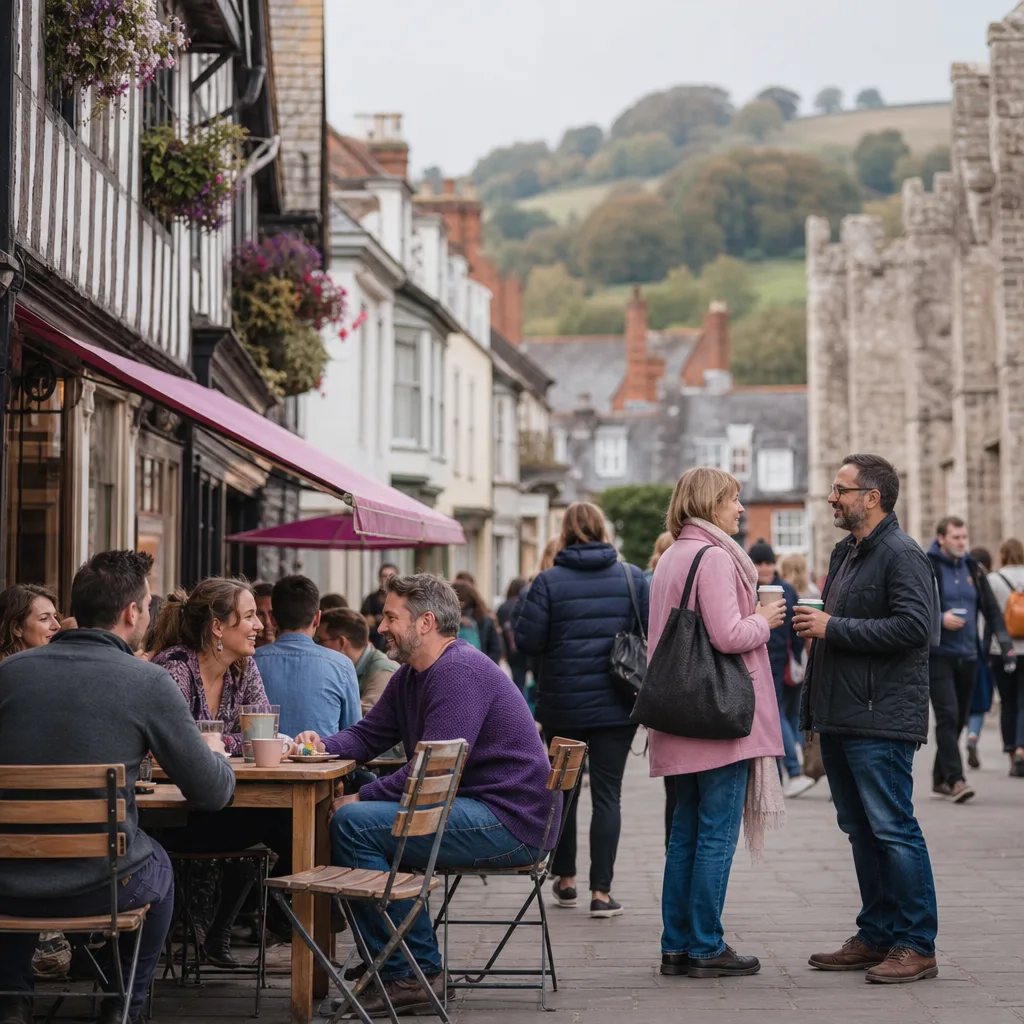
It is Friday evening in Ludlow. The town centre is lively enough around Broad Street and the market, but that does not mean it is obvious where the single people are. A busy pub may be full of couples, old friends and visitors spending a weekend in south Shropshire. Standing at the bar and hoping chance does the work can feel less like a dating plan and more like waiting for a delayed bus.
Ludlow dating has its own geography. This is a compact market town surrounded by a large rural area, not a city with an endless supply of organised singles nights. People may live in town, commute elsewhere, work irregular hours in hospitality, or come in from villages where every journey needs planning. The result is a dating pool that can seem quiet until you learn where social lives actually overlap.
That is the purpose of this guide. It covers ways to meet Ludlow singles through ordinary local life, how to use online dating without extending your search halfway across the Midlands, and how to turn an introduction into a comfortable first date. It also deals with the less glamorous questions: distance, cost, privacy, scams and what to do when you have not dated for years.
Where can I meet singles in Ludlow?
The most reliable places to meet singles in Ludlow are recurring groups, volunteering projects, classes, cultural events and relaxed venues where conversation has a natural starting point.
The word recurring matters. One-off events can be enjoyable, but familiarity makes conversation easier. At a weekly walking group, choir rehearsal, exercise class or volunteer shift, you do not have to create instant chemistry with a stranger. You can learn names, recognise faces and talk again next time. That is how many genuine local connections begin.
- Activity groups. Walking, running, cycling, gardening and fitness groups give you something to do while you talk. This removes some of the pressure of sitting face to face and trying to be fascinating.
- Arts and learning. Look at programmes from Ludlow Assembly Rooms, local workshops, talks, film screenings and adult learning providers. Choose subjects you would attend even if you met nobody. Enjoyment makes you better company.
- Volunteering. Community events, environmental work, charities and festival support can bring together people who care about similar things. Ask about the commitment before joining; some roles need regular training rather than an occasional spare hour.
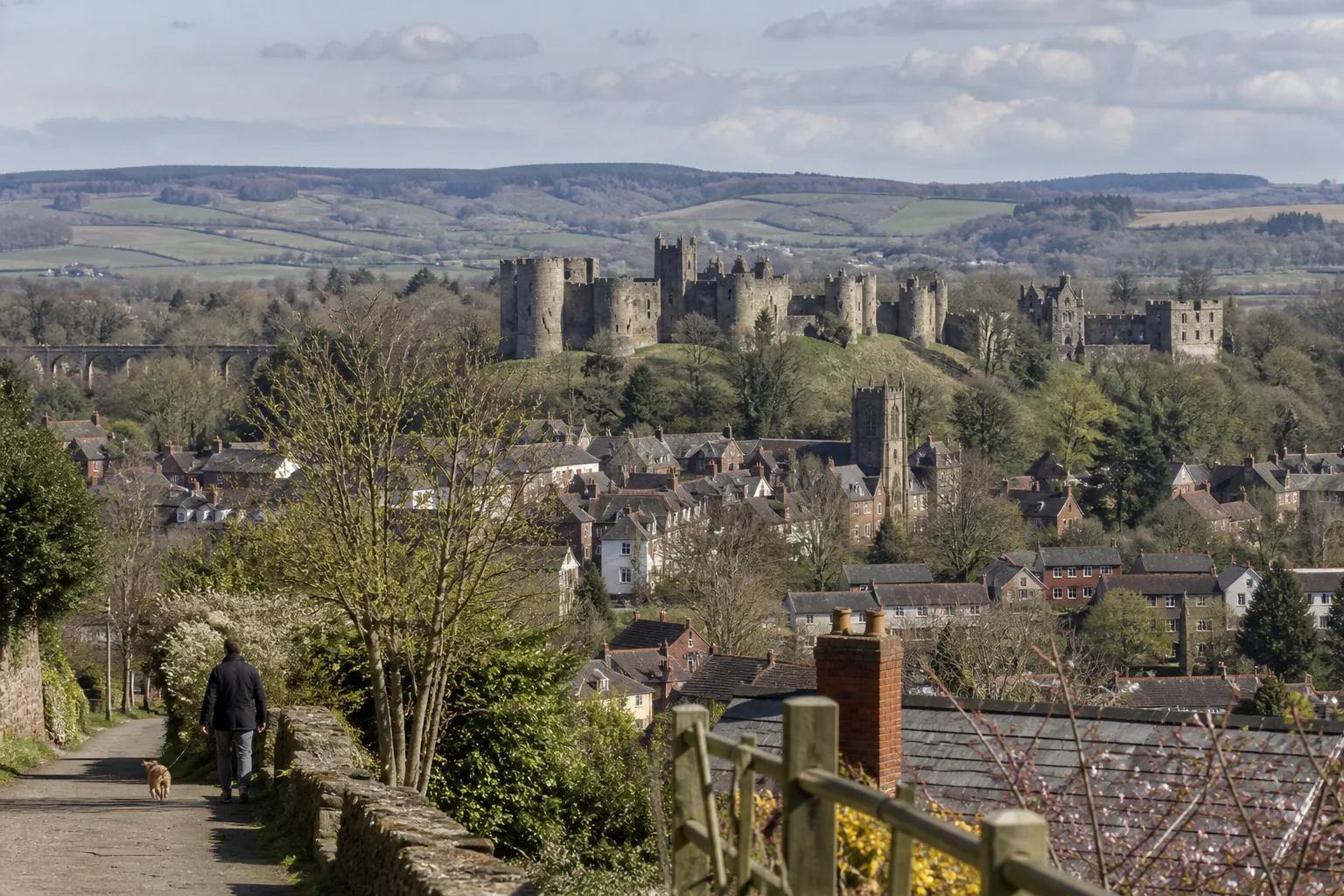
- Food and drink events. Ludlow has a strong food culture, including its well-known food festival at Ludlow Castle. Tastings, demonstrations and shared tables create easy conversation, although major events also attract many visitors, so do not assume everyone lives nearby.
- Friends of friends. Tell two or three trusted people that you are open to being introduced. Be clear that you want a low-pressure introduction, not a surprise blind date arranged like a military operation.
People often focus on explicitly romantic events. In reality, a place does not need a singles label to be useful. It needs repeated contact, a mixed social crowd and enough shared activity to stop every conversation feeling like an interview.
The practical rule is simple: go where you can become a familiar face, not merely another person passing through.
Building a Social Life That Leads Somewhere
Meeting somebody locally is partly about opportunity, but opportunity is not the same as attending everything in the calendar. A packed month can still produce no real conversations. Two well-chosen, repeat activities are usually more useful than ten crowded events where you arrive alone, speak to nobody and leave early.
Which Ludlow activities are best for meeting new people?
Choose activities with regular attendance, natural conversation and enough structure that newcomers are not left hovering at the edge.
Start with your actual routine. If you work weekends, a Saturday event is not a realistic answer. If you live outside town and the last part of your journey is along an unlit rural road, late evening plans may become tiring. If walking is difficult, a steep route around Whitcliffe or the castle area may not suit you, however attractive the photographs look.
Good social activities tend to share three features: people return, there are pauses for conversation, and being new is normal. A lecture may attract interesting people, but everybody faces the front and leaves afterwards. A workshop, volunteer session or regular class gives you more chances to exchange names and pick up a previous conversation.
- Pick one genuine interest. Choose something you would be pleased to learn or do. Pretending to adore hill walking for access to a dating pool becomes uncomfortable around the second muddy climb.
- Check the practical details. Confirm location, accessibility, booking arrangements, cost, finish time and transport. Rural distances look small on a map but feel different after dark.
- Attend more than once. Unless an event is clearly unpleasant or unsuitable, give it two or three visits. Established groups can look closed from the outside simply because regulars already know one another.
- Start with ordinary conversation. Ask how long someone has attended, what they thought of the session or whether they know another local event. You are opening a door, not conducting an assessment.
- Suggest a small next step. If conversation is easy over several meetings, propose coffee after the activity or exchange details for a related event. Keep it specific and easy to decline.
Practical tip: Build a two-place routine. Pick one structured activity, such as a class or volunteer session, and one relaxed public venue you genuinely enjoy. Returning at roughly the same time each week gives local acquaintances a chance to become conversations.
How do I approach someone without making it awkward?
Use the shared situation to begin, notice whether interest is returned, and make any invitation clear but easy to refuse.
There is no opening line that turns uncertainty into certainty. The useful skill is responsiveness. If someone faces you, asks questions back and keeps the exchange going, continue. If answers are short, attention returns to friends, or they step away, finish warmly and let them be.
A simple invitation works better than a vague promise. “Would you like to get a coffee after next week’s session?” gives the other person a real choice. “We should do something sometime” puts all the work into decoding whether you meant it.
Rejection can still sting. Keep your response short: “No problem, good to see you.” You have not lost standing in the group, and the other person should not have to manage disappointment for you. Equally, if you are declining, a polite no is enough. You do not owe a detailed explanation.
Age does not alter these basics. Someone dating again after bereavement, divorce or a long relationship may feel rusty, but rust is not incompetence. Go at a pace that suits you. You can tell a date that you have not done this for a while without turning the evening into a full account of your relationship history.